Cross-Platform Payout Networks: Mechanisms of Sequential Wins in Interconnected Virtual Gaming Environments
Devon Ludwig · Aug 5, 2026
Cross-Platform Payout Networks: Mechanisms of Sequential Wins in Interconnected Virtual Gaming Environments
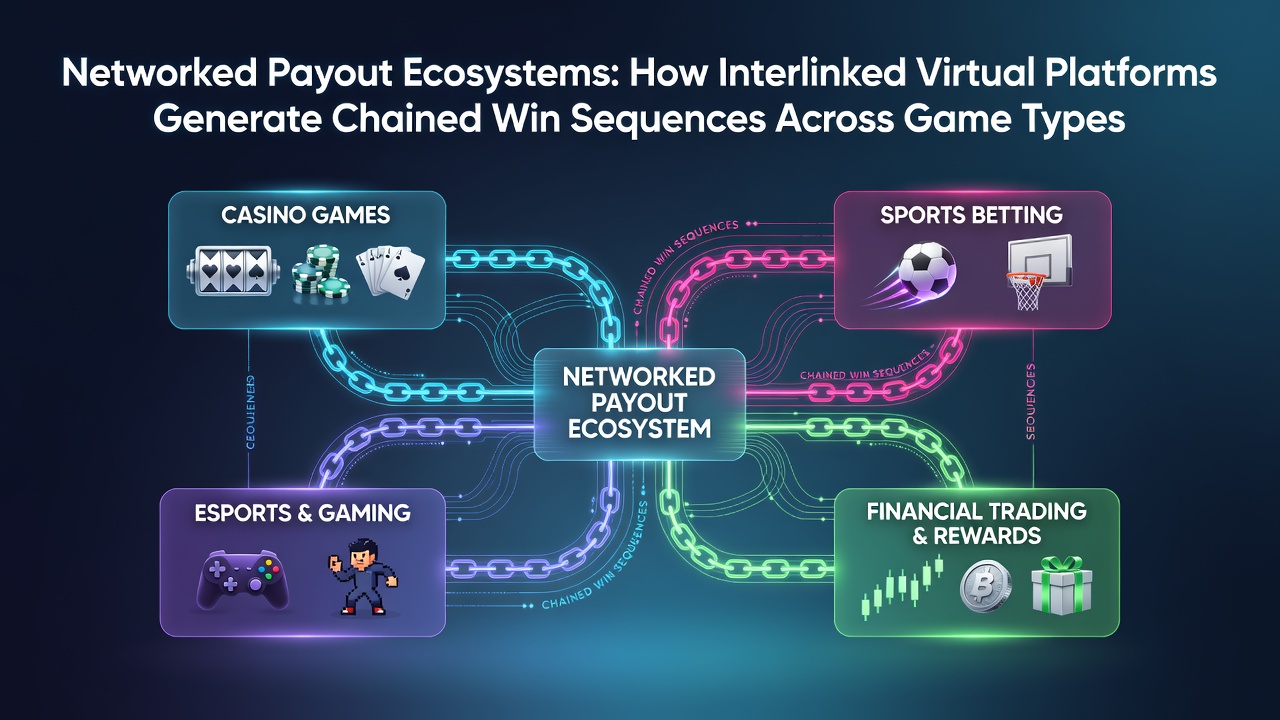
Networked payout ecosystems connect separate virtual platforms through shared databases and real-time data exchanges, allowing wins in one game type to trigger additional payout sequences in others, and observers note that these systems rely on application programming interfaces to synchronize player accounts across slots, table games, and prediction markets. Data from multiple operators indicate that such linkages create chained sequences where a base game outcome activates bonus rounds or progressive elements elsewhere, while reports compiled in August 2026 show increased adoption of these networks in international markets outside traditional regulatory zones.
Technical Foundations of Linked Systems
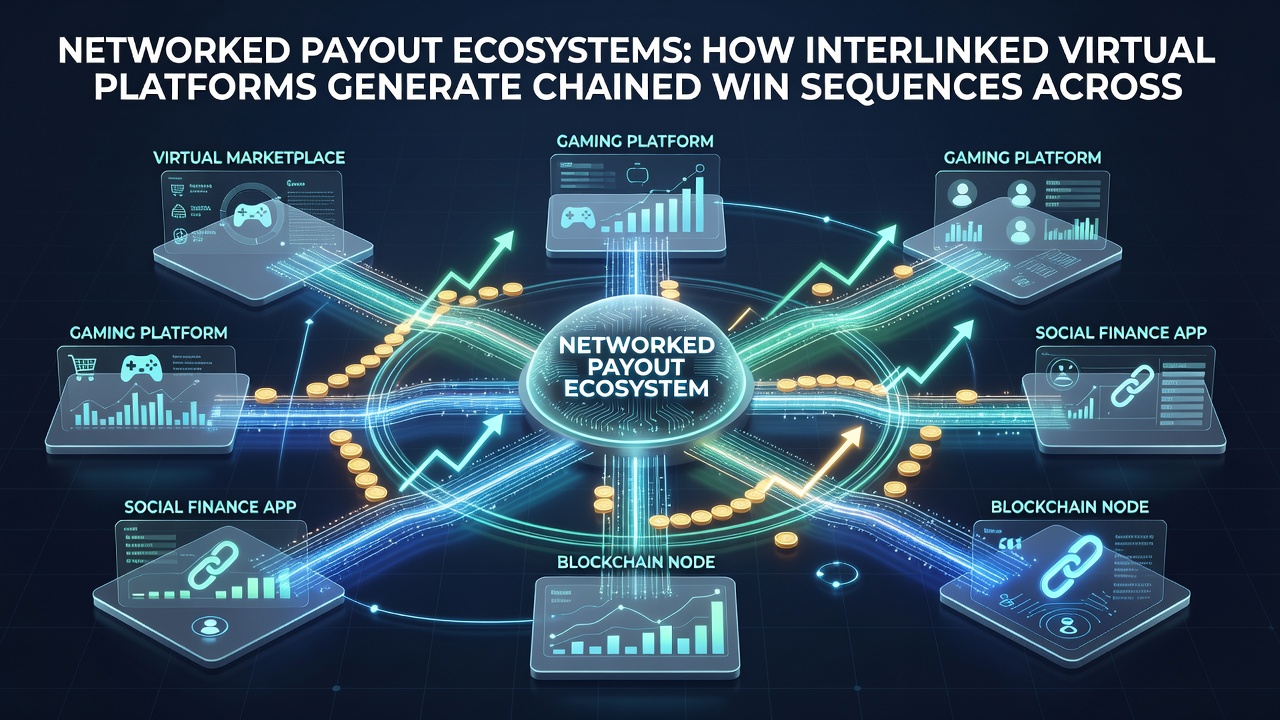
Developers integrate central servers that track player activity across platforms, and when a qualifying win occurs in one environment the system automatically propagates eligibility flags to linked titles; this process uses encrypted tokens to maintain transaction integrity without requiring separate logins. Studies conducted by research institutions in Canada have documented how these connections reduce latency in payout calculations to under two seconds, whereas earlier isolated systems often required manual verification steps that delayed rewards by several minutes. Those who analyze platform architecture point out that blockchain elements sometimes supplement these networks by recording win sequences on distributed ledgers, providing an immutable audit trail for operators and players alike.
Examples of Chained Win Sequences
One documented pattern begins with a slot machine spin that meets a threshold multiplier, after which the ecosystem grants entry into a linked poker tournament or sports prediction pool where further multipliers apply; industry data from the European Gaming and Betting Association reveals that such chains have produced aggregate payouts exceeding several million euros in single sessions across participating sites. Another sequence type involves bingo-style games feeding into roulette variants, where matched numbers unlock progressive jackpots that accumulate from contributions made in entirely separate game categories, and researchers at Australian universities have modeled these flows to demonstrate how cross-category participation rises when linkages are active.
Regional Implementation Patterns
Platforms operating in North American jurisdictions have incorporated state-level compliance layers that restrict certain chain activations based on local rules, yet the underlying architecture remains consistent with European and Asian deployments; figures released by the Nevada Gaming Control Board in mid-2026 indicate steady growth in linked progressive pools that span multiple game verticals. In contrast, operators in parts of Asia have emphasized mobile-first linkages that allow sequences to continue across devices, and data compiled by regional trade groups show participation rates climbing as players move between game types within a single session without exiting the ecosystem.
Data Tracking and Compliance Measures
Real-time monitoring tools scan for unusual sequence patterns to ensure adherence to responsible gaming protocols, while algorithms flag chains that exceed predefined frequency thresholds; academic papers from European research consortia describe how these safeguards integrate with player history databases to adjust future eligibility automatically. Operators also maintain separate ledgers for each jurisdiction to isolate tax obligations, and the reality is that such compartmentalization prevents cross-border payout conflicts even when a single player account participates in multi-region networks.
Future Developments Expected by 2027
Engineers continue to refine artificial intelligence models that predict optimal chain lengths based on historical player data, aiming to balance engagement with operational stability, and preliminary tests conducted in controlled environments suggest these models could shorten average sequence completion times by up to thirty percent. Partnerships between software providers and hardware manufacturers are exploring edge computing nodes that process sequence triggers closer to the user device, reducing dependency on central servers during peak traffic periods observed in late 2026.
Conclusion
Networked payout ecosystems represent a structural shift in how virtual platforms manage rewards across game categories, wth technical linkages enabling sequential activations that span slots, table games, and prediction formats. Evidence gathered through 2026 demonstrates consistent implementation patterns across regions, supported by data from regulatory bodies and academic sources that track both technical performance and compliance outcomes. As platforms expand these connections, the mechanisms for generating chained sequences remain grounded in standardized data protocols and real-time verification processes.