Linked Progressive Systems Creating Cross-Game Payout Sequences
Noah Lorenz · Aug 8, 2026
Linked Progressive Systems Creating Cross-Game Payout Sequences
Core Architecture of Progressive Networks
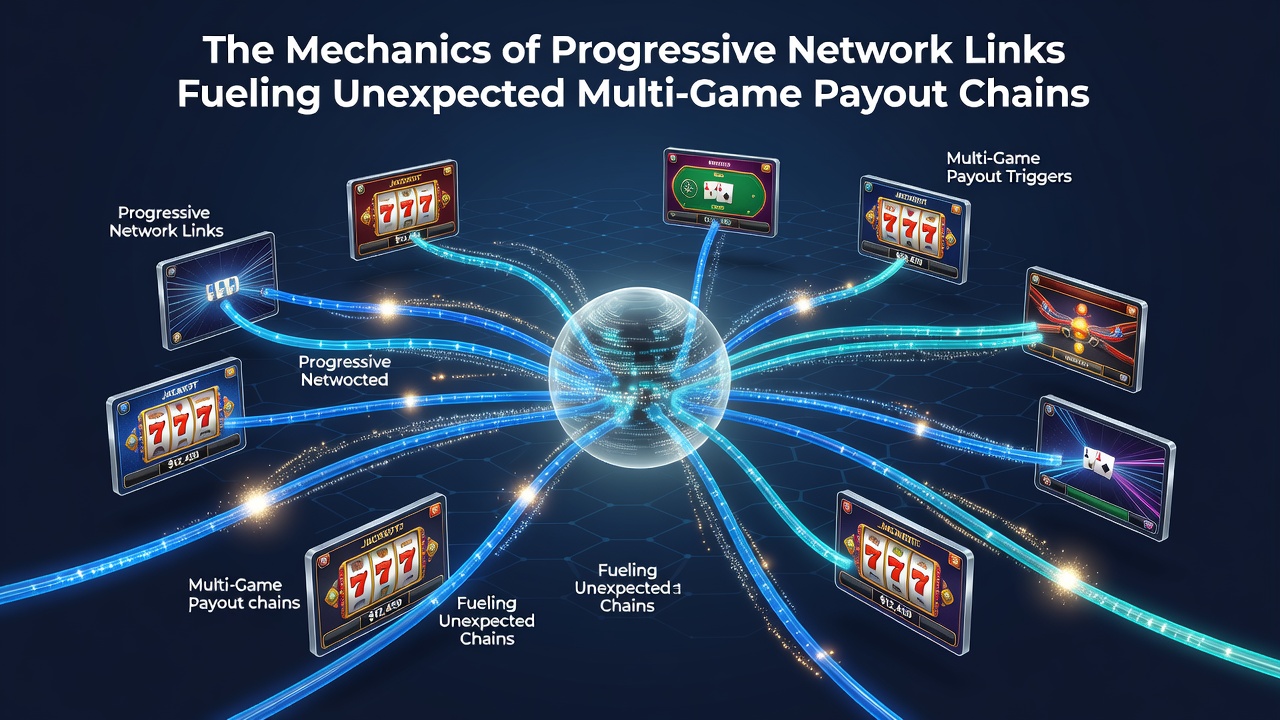
Progressive jackpot systems operate through centralized servers that pool contributions from individual wagers across connected machines, and these networks often span multiple game titles within a single operator group or across partnered venues. Each participating game feeds a small percentage of every bet into one or more shared prize pools, while the software continuously updates displayed meter values in real time. Data from gaming technology providers indicates that a single network may link dozens or even hundreds of terminals, allowing the jackpot total to grow faster than isolated machines could achieve on their own.
Network protocols establish rules for how contributions flow and when a jackpot qualifies for payout, and these protocols differ by jurisdiction and supplier. Some systems maintain separate pools for each game category while others merge contributions into tiered levels such as mini, minor, major, and grand. The linking mechanism becomes relevant when a win on one title triggers adjustments or bonus activations on linked titles that share the same seed or contribution stream.
Trigger Conditions and Chain Initiation
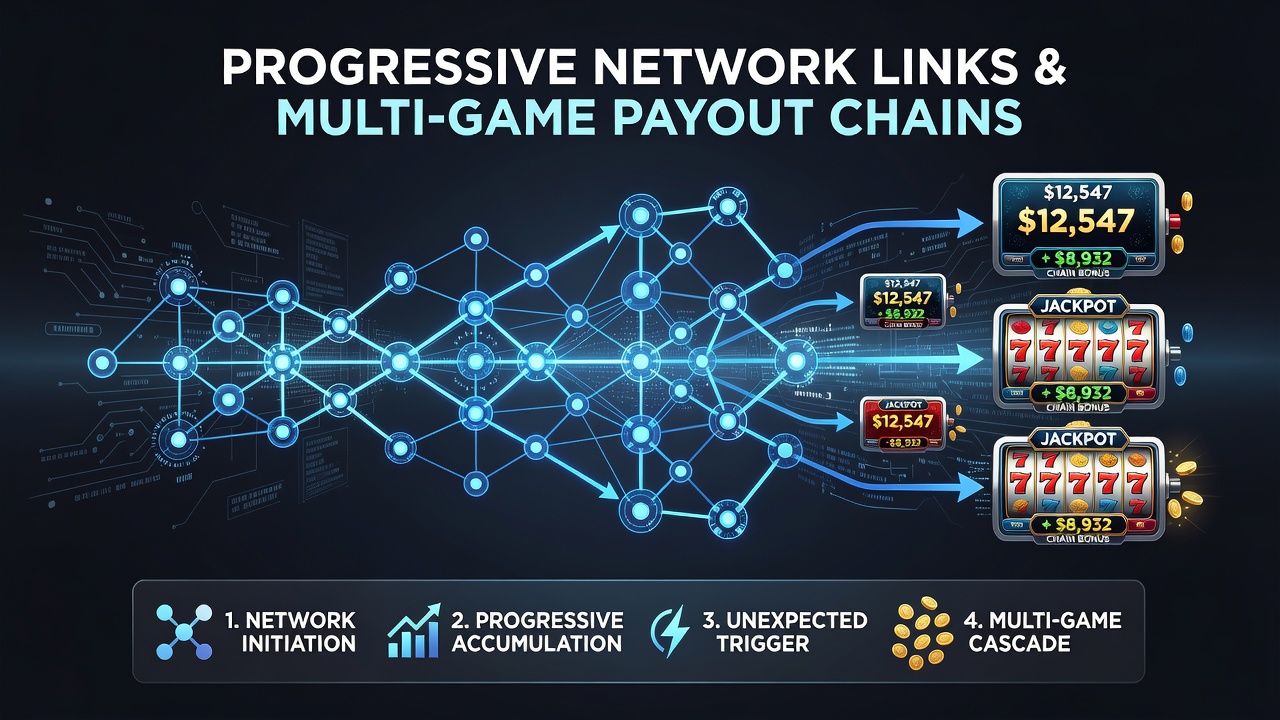
Chain reactions begin when a qualifying combination hits on a base game and accesses the progressive pool, after which the system recalculates remaining meters and may release secondary awards to other connected machines. Observers note that certain software platforms embed logic that checks neighboring games for simultaneous eligibility once a primary trigger occurs. This process relies on timestamp synchronization and predefined contribution thresholds rather than random chance alone.
Research from the University of Nevada, Las Vegas gaming laboratory shows that linked systems can produce sequential payouts when the same player or multiple players activate bonus rounds within a narrow time window. The network registers each activation, deducts the appropriate pool amount, and redistributes any residual value according to the configured reset rules. Figures from the American Gaming Association reveal that multi-site progressive networks in regulated U.S. markets recorded average pool growth rates exceeding 15 percent month-over-month during periods of high play volume in 2025.
Software Mechanics Behind Unexpected Sequences
Game mathematics incorporate seed values and contribution percentages that determine how quickly meters climb and how frequently they reset after payouts. When two or more titles share a common progressive engine, a large win on one machine can cause the displayed values on linked terminals to drop simultaneously, sometimes prompting additional play on those machines as players notice the updated amounts. The software records these events in audit logs that regulatory laboratories later review for compliance.
Engineers design the linking layer to handle high transaction volumes without latency, and this layer communicates through secure APIs that transmit bet data, pool updates, and win notifications between the central server and each terminal. In August 2026 several North American operators reported expanded deployment of cross-title progressive modules that allow a single jackpot to service both video slots and electronic table games within the same network. The expansion followed updates to technical standards issued by the Nevada Gaming Control Board earlier that year.
Player Interaction Patterns and Network Effects
Players often move between linked machines when they observe meter changes or hear jackpot announcements, creating localized spikes in activity that further accelerate pool growth. Casino management systems track these movements through player loyalty data, and analysts use the information to adjust floor layouts or contribution rates. Evidence from industry reports compiled by the Canadian Gaming Association indicates that venues with tightly integrated progressive networks experienced measurable increases in average session length during peak hours compared with venues operating standalone machines.
The mechanics do not guarantee consecutive wins for any individual, yet the structure permits situations where one payout coincides with eligibility checks on other games. Those checks occur automatically and depend on the specific linkage rules coded into the platform. Operators must document these rules during certification testing so that independent labs can verify fairness and randomness requirements.
Regulatory Oversight and Technical Standards
Jurisdictions maintain distinct approval processes for networked progressive systems, and testing laboratories examine everything from random number generators to pool allocation algorithms. In Australia the Queensland Office of Liquor and Gaming Regulation requires operators to submit detailed network topology diagrams before approving new multi-venue links. Similar documentation standards exist in several European markets where cross-border progressive products operate under mutual recognition agreements.
Operators publish aggregate payout statistics periodically, and these reports sometimes include data on multi-game sequences that occurred within the reporting period. The statistics help regulators monitor whether network configurations produce outcomes consistent with approved mathematical models.
Conclusion
Progressive network links function through shared contribution pools, synchronized servers, and predefined trigger logic that can generate sequential payouts across multiple game titles. The mechanics rest on transparent technical specifications that undergo laboratory verification before deployment. Data from multiple regulatory bodies and industry associations continues to document how these systems operate under varying market conditions, providing a factual record of their performance without reliance on anecdotal accounts.