Mechanics Behind Prize Pool Accumulation in Cross-Platform Virtual Table Games
Bianca Weber · Aug 10, 2026
Mechanics Behind Prize Pool Accumulation in Cross-Platform Virtual Table Games
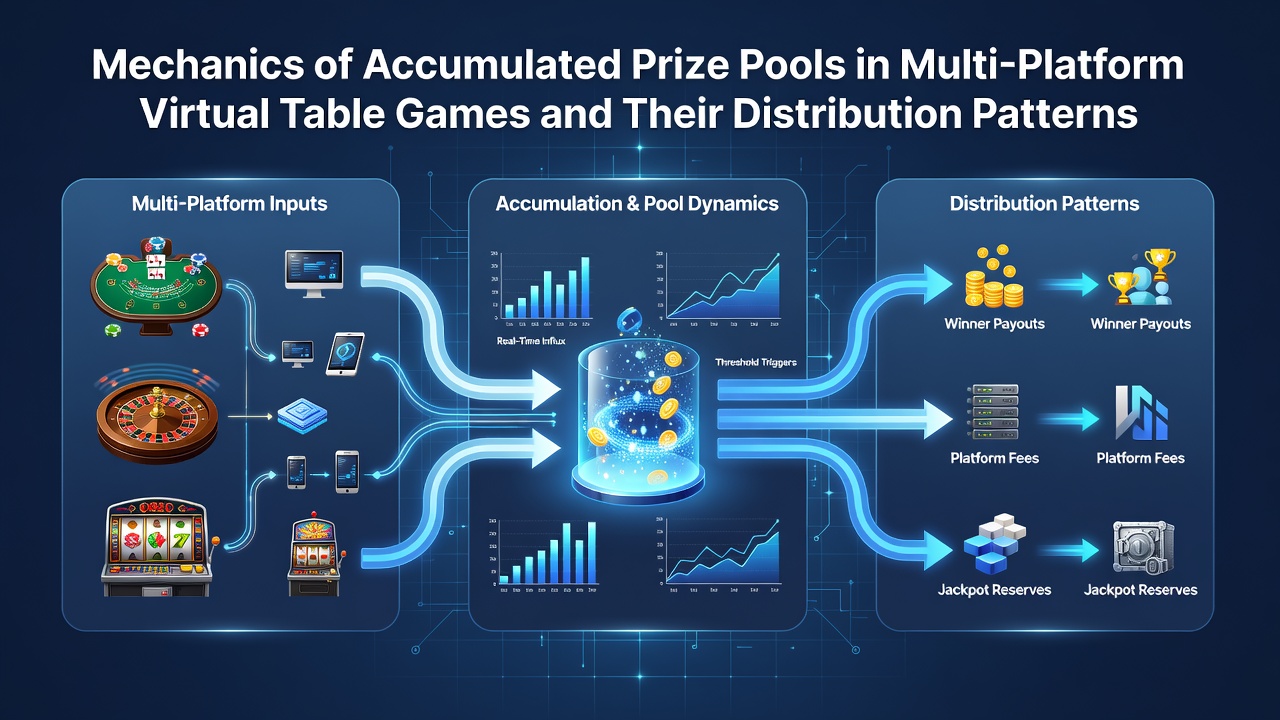
Virtual table games such as poker, blackjack and baccarat operate across interconnected platforms where small percentages of each wager feed into shared prize pools and operators track these contributions through centralized ledgers that update in real time while players compete from different jurisdictions and devices.
Contribution Mechanisms Across Networks
Each bet placed in qualifying games routes a fixed rake or jackpot fee into the pool and platforms synchronize these transfers through application programming interfaces that prevent double-counting or delays while software verifies the integrity of every transaction before the amount is added to the running total. Seeding occurs when operators inject initial capital to ensure minimum guarantees remain attractive and these seeds are recouped from subsequent contributions once the pool reaches predetermined thresholds.
Multi-platform systems aggregate data from dozens of operators simultaneously and algorithms allocate portions of each wager according to game type, stake level and jurisdictional rules yet the core process stays consistent across providers because standardized protocols allow seamless merging of funds from disparate sources.
Distribution Patterns and Trigger Conditions
Prize pools release when specific conditions are met such as royal flushes in video poker variants or maximum hands in progressive blackjack and distribution follows predetermined formulas that split winnings among the winner, secondary prizes and administrative reserves while remaining funds carry forward to the next cycle. Data from network operators indicates that pools in table game environments typically trigger between four and twelve times per year depending on player volume and contribution rates whereas smaller daily or weekly awards draw from separate side pools to maintain engagement.
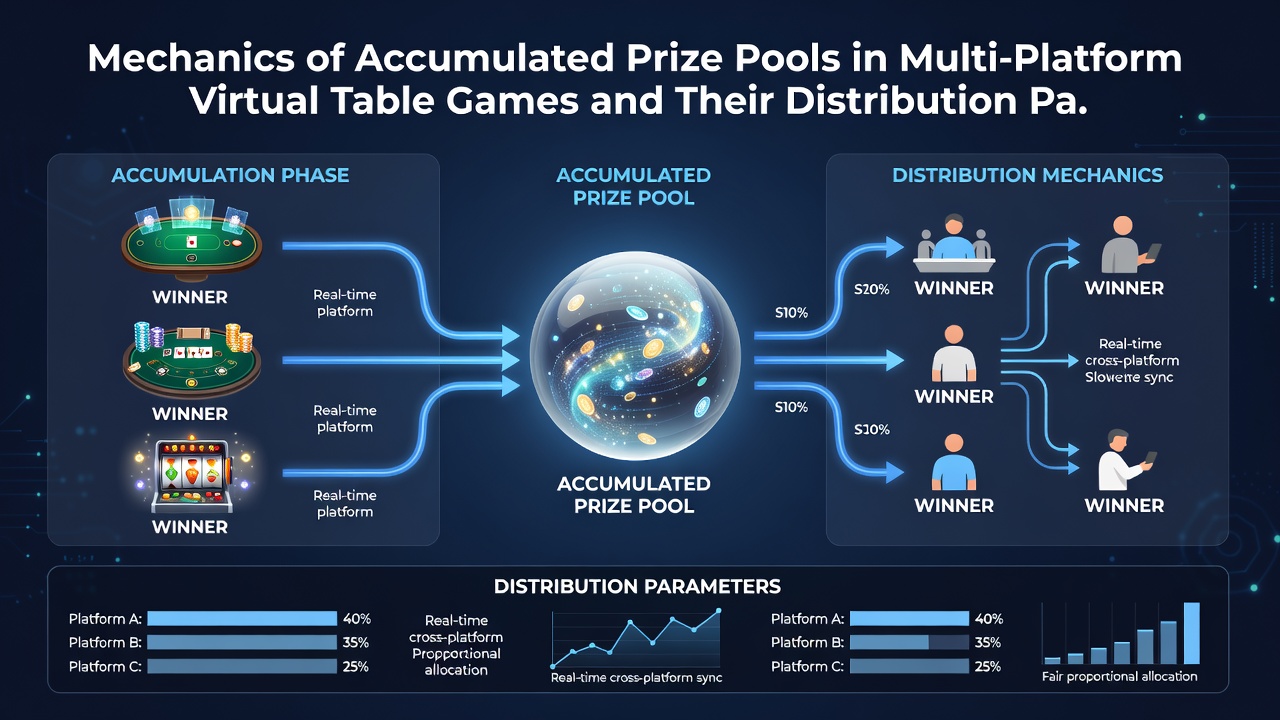
Geographic patterns reveal higher win frequencies in markets with dense player bases and regulatory frameworks that permit larger maximum bets while cross-border platforms show more even distribution because traffic flows from multiple time zones keep contribution rates steadier throughout each day. Observers note that August 2026 saw several networks report record pool sizes after regulatory updates in North American and European markets expanded eligible game types and increased maximum contribution caps.
Technical Safeguards and Verification Processes
Independent testing laboratories audit the random number generators and pool calculation engines at regular intervals to confirm that accumulation and distribution occur without manipulation and reports from bodies such as the Nevada Gaming Control Board detail how cryptographic seals protect transaction logs from alteration. Multi-platform environments add extra layers because each connected operator must maintain compatible audit trails that regulators can reconcile during compliance reviews.
Players receive notifications when pools reach notable milestones and historical records show that larger jackpots attract increased participation which in turn accelerates growth until the trigger event resets the cycle and restarts accumulation from the post-distribution balance plus any new seed.
Regional Variations in Pool Management
European networks often apply stricter caps on contribution percentages compared with North American counterparts and these differences influence how quickly pools grow and how frequently they pay out yet the underlying mathematics remains similar because the same actuarial models guide reserve calculations across borders. Australian regulatory reports highlight additional transparency requirements that mandate public disclosure of current pool totals and recent payouts while Canadian provincial systems integrate prize pools with loyalty programs that reward consistent contributors with bonus entries into secondary draws.
Those who analyze transaction data across platforms find that distribution tends to favor mid-stakes tables during off-peak hours whereas high-roller rooms generate larger individual contributions that can push pools past trigger thresholds more rapidly during peak periods.
Conclusion
Accumulated prize pools in multi-platform virtual table games rely on synchronized contribution systems, verified trigger conditions and jurisdiction-specific distribution rules that together create predictable yet dynamic reward structures and ongoing technical audits ensure these mechanisms continue to function reliably as networks expand into new markets.